
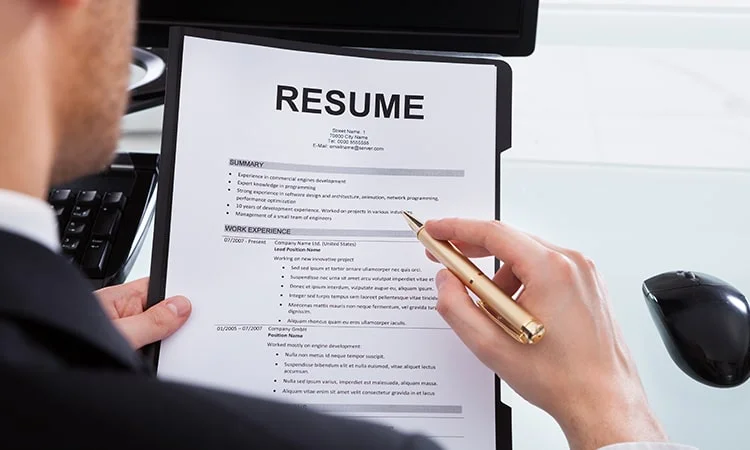
Remote jobs in 2026 are more competitive than ever. With companies hiring globally, your resume is no longer competing with just local applicants; it’s competing with talent from around the world.
Recruiters now look for more than qualifications. They want proof that you can work independently, communicate effectively, and deliver results without supervision. A traditional resume is no longer enough.
To stand out in 2026, your resume must be:
- Optimized for remote roles
- Designed to pass Applicant Tracking Systems (ATS)
- Focused on results, not job duties
- Tailored to digital and remote-first environments
This guide will show you exactly how to write a remote job resume that gets noticed in 2026, even if you’re a beginner.
What Makes a Remote Job Resume Different?
A remote job resume emphasizes skills and traits that prove you can succeed outside a physical office.
Key Differences
- Strong focus on communication and collaboration tools
- Emphasis on self-management and productivity
- Clear proof of remote or digital experience
- Results-based achievements instead of responsibilities
Recruiters want to know: Can this person work effectively without being monitored?
Best Resume Format for Remote Jobs in 2026
The best format for a remote job resume is the reverse-chronological format, combined with a strong skills section.
Recommended Resume Structure
- Header (Contact Information)
- Professional Summary
- Core Remote Skills
- Work Experience (Results-Focused)
- Education
- Certifications & Tools
- Optional: Remote Projects or Portfolio
Keep your resume 1–2 pages maximum.
1. Write a Strong Remote Job Resume Summary
Your resume summary is the first thing recruiters read. It should clearly state:
- Your role
- Your experience level
- Your remote skills
- The value you bring
Example Remote Resume Summary
Results-driven digital marketer with 4+ years of remote experience managing global campaigns, SEO strategies, and virtual teams. Highly skilled in remote collaboration tools, analytics, and self-managed workflows.
Tip: Avoid generic phrases like “hardworking” or “team player.” Be specific and results-oriented.
2. Highlight Remote-Friendly Skills Employers Want in 2026
Remote employers prioritize skills over degrees.
Top Remote Skills to Include
- Remote communication
- Time management
- Self-discipline
- Problem-solving
- Digital collaboration
Technical & Tool Skills
- Project management software
- Video conferencing tools
- Cloud storage platforms
- CRM systems
- AI productivity tools
Create a “Core Skills” section with keywords relevant to the job description.
3. Optimize Your Resume for ATS (Applicant Tracking Systems)
Most remote companies use ATS software to screen resumes.
ATS Optimization Tips
- Use standard headings (Summary, Experience, Skills)
- Avoid tables, graphics, and icons
- Use keywords from the job description
- Save your resume as a PDF or DOCX
- Use simple fonts like Arial or Calibri
If your resume doesn’t pass ATS, a human will never see it.
4. Showcase Remote Work Experience (Even If It’s Freelance)
Remote experience is a huge advantage—but it doesn’t have to be full-time employment.
What Counts as Remote Experience?
- Freelancing
- Contract work
- Virtual internships
- Online projects
- Volunteer remote roles
How to Write Remote Experience
Instead of listing duties, focus on outcomes.
Example:
- Managed remote customer support for 500+ clients using live chat tools
- Increased response time efficiency by 35%
- Collaborated with international teams across different time zones
This shows results, responsibility, and remote readiness.
5. Emphasize Results, Not Responsibilities
Remote employers care about impact.
Use the Formula
Action Verb + Task + Result
Example:
- Developed content strategy that increased website traffic by 60%
- Automated workflows that reduced turnaround time by 40%
Numbers make your resume more credible and powerful.
6. Include a Dedicated Remote Skills or Tools Section
In 2026, tools matter.
Examples of Tools to List
- Communication: Slack, Zoom, Teams
- Project Management: ClickUp, Trello, Asana
- Productivity: Notion, AI assistants
- Time Tracking: Clockify, Toggl
This reassures employers that you can integrate quickly into their workflow.
7. Add Certifications & Online Learning
Certifications show commitment and credibility, especially for remote roles.
Valuable Certifications for Remote Jobs
- Digital marketing certifications
- IT and cloud certifications
- Project management certifications
- Remote work productivity courses
Even short online certifications can strengthen your resume.
8. Tailor Your Resume for Each Remote Job
One resume does not fit all.
How to Customize Quickly
- Match keywords from the job description
- Adjust your summary to match the role
- Highlight the most relevant experience
- Reorder skills based on job priority
Customization significantly increases interview chances.
9. Common Mistakes to Avoid on Remote Job Resumes
Avoid these resume killers:
- Using a generic resume for all jobs
- Listing duties instead of results
- Ignoring remote-specific skills
- Using unprofessional email addresses
- Submitting resumes with grammar errors
Remote recruiters expect attention to detail.
10. Should You Include a Cover Letter for Remote Jobs?
Yes especially in 2026.
A short, well-written cover letter can:
- Explain why you want remote work
- Show communication skills
- Highlight cultural fit
Many candidates skip cover letters. Submitting one gives you an edge.
Conclusion: Build a Resume That Wins Remote Jobs in 2026
Writing a remote job resume in 2026 requires strategy, clarity, and focus. Employers are no longer impressed by long job descriptions; they want proof of skills, results, and remote readiness.
By optimizing your resume for ATS, highlighting remote-friendly skills, and focusing on measurable achievements, you dramatically increase your chances of landing interviews.
Remote jobs offer freedom, flexibility, and global opportunities. A strong resume is your gateway to that future. Start optimizing yours today and position yourself ahead of the competition.
FAQs: Writing a Remote Job Resume in 2026
Q1: Can I get a remote job with no experience?
Yes. Focus on skills, online projects, freelancing, and certifications.
Q2: How long should a remote job resume be?
One page for beginners, two pages for experienced professionals.
Q3: Should I mention time zone availability?
Yes, if the job requires specific working hours.
Q4: Are remote resumes different for freelancers?
Yes. Freelancers should emphasize projects, clients, and outcomes.
Q5: Do employers verify remote experience?
Yes. Always be honest and prepared to explain your work.

