
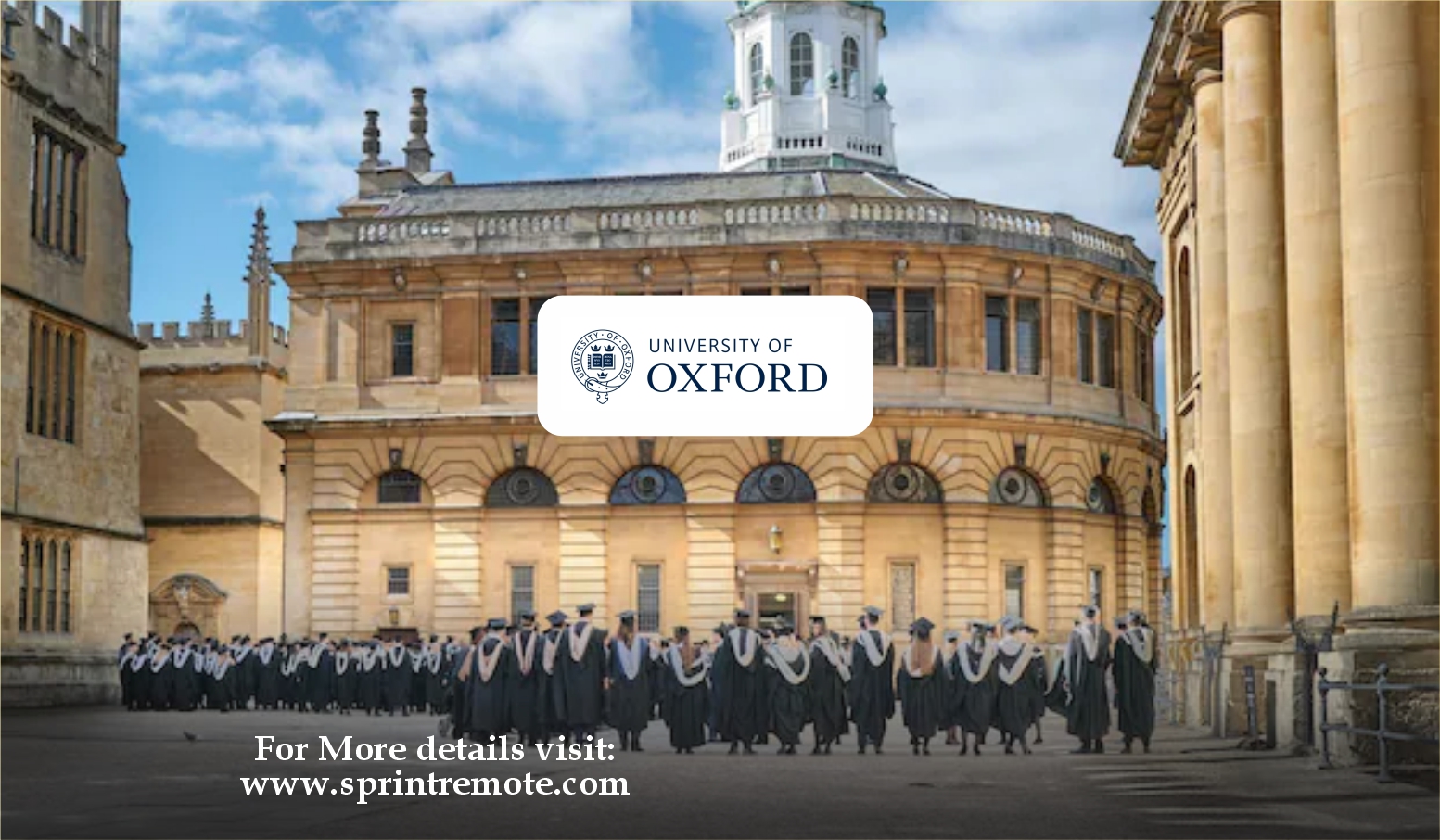
The Oxford University Optiver Foundation Scholarships are designed to increase the number of women from low and middle income countries who take up offers for postgraduate science courses at Oxford. This scholarship programme exists because financial barriers continue to prevent many talented students from disadvantaged backgrounds from pursuing advanced study at world class institutions.
Oxford University is committed to nurturing future global researchers, academics, and scientific leaders. However, participation of women in postgraduate STEM fields excluding biomedical and life sciences remains lower than it should be. This is due to financial limitations, limited access to opportunities, and systemic barriers that affect women more strongly in science and technology disciplines.
By targeting support at women from low to middle income countries, the Optiver Foundation Scholarships play a powerful role in increasing diversity across STEM subjects at Oxford. In the long term, this contributes to a more inclusive global workforce and stronger representation of women in scientific leadership. For candidates searching for an Oxford scholarship for women in STEM, this opportunity can be life changing.
Oxford University Optiver Foundation Scholarships Summary
| Details | Information |
|---|---|
| Host country | USA |
| Disciplines | Any |
| Scholarship type | Merit based |
| Eligible country | All |
| Category | Masters, PhD, Post Doctoral Studies |
Scholarship Category
The Oxford University Optiver Foundation Scholarships focus on postgraduate study. The scholarship supports advanced academic development for students who have already completed undergraduate education and are ready to specialize in high impact science and technology disciplines.
This makes the scholarship suitable for highly motivated candidates who want to build strong research and professional careers through world class education.
Scholarship Type
The scholarship is merit based. This means that academic excellence, intellectual potential, and demonstrated capability are central to selection. Candidates are expected to show strong academic results, a clear commitment to their chosen field, and the ability to succeed in rigorous postgraduate study.
Merit is assessed through academic records, application quality, references, and overall potential. Socio economic background is also considered to ensure the scholarship reaches those who face genuine disadvantage.
Eligible Courses
The Oxford University Optiver Foundation Scholarships are available for specific postgraduate STEM courses. Eligible programmes include:
MSc Energy Systems Engineering Science
MSc Advanced Computer Science
MSc Mathematical and Theoretical Physics
MSc Mathematical Modelling and Scientific Computing
MSc Mathematical Sciences
MSc Mathematics and Foundations of Computer Science
MSc in Quantum Technologies
MSc Statistical Science
MSc Theoretical and Computational Chemistry
These programmes represent some of the most competitive and future focused disciplines in the world. Students who gain admission into these courses and secure this scholarship gain access to outstanding academic resources and global career opportunities.
Eligibility for Application
Eligibility is centered on supporting women from low and middle income countries who demonstrate academic excellence and financial need. Applicants must meet the admission requirements of their chosen Oxford course and be willing to complete additional scholarship assessment if invited.
Candidates must apply for graduate study at Oxford within the relevant November, December, or January deadline for their course. They must also indicate interest in the scholarship by ticking the relevant box on the graduate application form.
If applicants meet the advertised eligibility criteria, they will be asked to complete an additional scholarship application form. This form focuses on socio economic background and helps assess disadvantage and under representation. This ensures that support is directed to those who need it most while maintaining strong academic standards.
Criteria for Application
Applications are assessed based on several important criteria. Academic merit remains a key factor, meaning strong grades, intellectual ability, and commitment to the field are essential. Potential for impact is also considered, especially how the applicant might contribute to science, technology, and their wider community in the future.
The scholarship panel also considers evidence of disadvantage and under representation. This ensures that the programme achieves its goal of improving access for women who face financial and structural barriers to advanced education.
Required Documents Checklists
Applicants should prepare all essential documents early to ensure a smooth application process. Commonly required materials include:
Completed Oxford graduate application form
Academic transcripts from previous institutions
Degree certificates where applicable
Personal statement explaining academic goals and motivation
Curriculum vitae or resume
Letters of recommendation
Additional scholarship application form if invited
Any supporting documents requested by the admissions team
Ensuring accuracy and completeness across all documents greatly improves application quality.
Scholarship Application Formatting
A well presented application reflects professionalism and attention to detail. Use clear and simple language in your personal statement. Keep formatting consistent across documents. Follow word limits carefully and ensure spelling and grammar are correct.
Your CV should be structured, concise, and focused on academic achievements, leadership, research experience, and relevant skills. All documents should be easy to read and aligned with Oxford expectations.
Step by Step Application Process
The application process follows a clear structure.
First, choose one of the eligible courses and submit your application for graduate study before the relevant November, December, or January deadline. During this process, tick the relevant box on the application form to indicate interest in the Optiver Foundation Scholarship.
If you meet the eligibility criteria, Oxford will invite you to complete an additional scholarship application form. This form gathers information about your socio economic background and helps assess disadvantage and under representation.
Applicants who complete this form, meet all eligibility conditions, and receive an offer from an eligible course will then be assessed by a panel of academic staff. Assessment is based on academic merit and potential.
Successful candidates are contacted by email. Most scholarship offers are sent out in May 2026. If you are offered and accept the scholarship, your funding becomes secure as long as you meet the conditions of your Oxford admission offer.
Application Deadline
There is no single scholarship deadline announced. Instead, applicants must submit their graduate course application by the relevant November, December, or January deadline for their chosen programme. Meeting your course deadline is essential to be considered for the scholarship.
Early preparation is highly recommended due to the competitive nature of Oxford admissions.
What Happens After You Apply
After submitting both your course application and additional scholarship form, your application enters the review stage. Academic panels assess eligible candidates based on merit and potential.
If selected, you will receive a scholarship offer by email. The majority of successful applicants receive offers in May 2026. Accepting the scholarship confirms that your funding is secured, provided you continue to meet the conditions of your place at Oxford.
This stage requires patience, but also preparation. Continue strengthening your academic profile and stay alert for communication.
Common Mistakes to Avoid
Many strong candidates weaken their chances through avoidable errors. These include submitting incomplete applications, missing course deadlines, failing to tick the scholarship box on the application form, writing unclear personal statements, and ignoring instructions.
Another common mistake is underestimating the importance of the additional scholarship application form. This form is critical for assessing disadvantage and eligibility.
Tips for Winning Essay
Your personal statement must clearly communicate your academic journey, passion for your chosen STEM field, and future goals. Explain why you chose your course and how it connects to long term impact.
Be honest and specific. Share experiences that demonstrate resilience, leadership, and commitment. Avoid generic statements and focus on your unique story. Strong essays often show both intellectual ability and personal motivation.
Tips for Strong Reference Letter
Choose referees who know your academic work well. Lecturers, supervisors, and research mentors are ideal. Share your goals and achievements with them so they can write detailed and supportive letters.
Give them enough time to prepare thoughtful references. Strong letters confirm your potential and reinforce the quality of your application.
Scholarship Friendly CV Resume
Your CV should highlight academic excellence, research experience, leadership roles, and relevant technical skills. Include publications, projects, internships, and awards where applicable.
Structure your CV clearly with sections for education, experience, skills, and achievements. Keep it concise but impactful.
Post Application Phase What to Do After Successful Submission
After submission, continue monitoring your email regularly. Prepare for potential interviews if required. Use this time to deepen your understanding of your chosen field and Oxford environment.
You can also continue building your profile through research, volunteering, and professional development. These efforts strengthen your confidence and readiness if selected.
Visa Rout
If you are awarded the scholarship and accept your Oxford offer, you will follow the official UK student visa process. Oxford provides guidance on visa requirements and documentation. Following instructions carefully ensures a smooth transition to study in the UK.
Work After Study Options
Graduates of Oxford postgraduate programmes often enjoy strong career prospects. Many go on to work in research, academia, technology, finance, policy, and innovation. Some return to their home countries to lead development initiatives, while others join international organizations.
The scholarship’s focus on STEM leadership means recipients are well positioned for high impact roles globally.
Possible Job Opportunities
Graduates from eligible courses often qualify for careers such as data scientist, software engineer, policy analyst, academic researcher, quantitative analyst, energy systems specialist, and technology consultant.
Oxford credentials combined with advanced STEM training open doors across industries worldwide.
Alternatives If You Do Not Win
If you do not receive this scholarship, your journey does not end. You can explore other opportunities on our blog such as:
Fully funded scholarships in the USA for international students
UK visa sponsorship jobs and study pathways
Scholarships without IELTS for international students
Canada university scholarships guides
These options provide additional routes to achieve your study abroad goals.
Conclusion
The Oxford University Optiver Foundation Scholarships represent a powerful commitment to supporting women from low and middle income countries in advanced STEM education. By removing financial barriers and recognizing merit and potential, this programme opens doors to world class learning and long term impact.
If you meet the eligibility criteria and are passionate about science, technology, and innovation, this opportunity can transform your academic and professional future. Begin your application early, prepare your documents carefully, and take the next step with confidence.
Looking to study abroad on a fully or partially funded Scholarship? Subscribe to get the latest update!!!

