
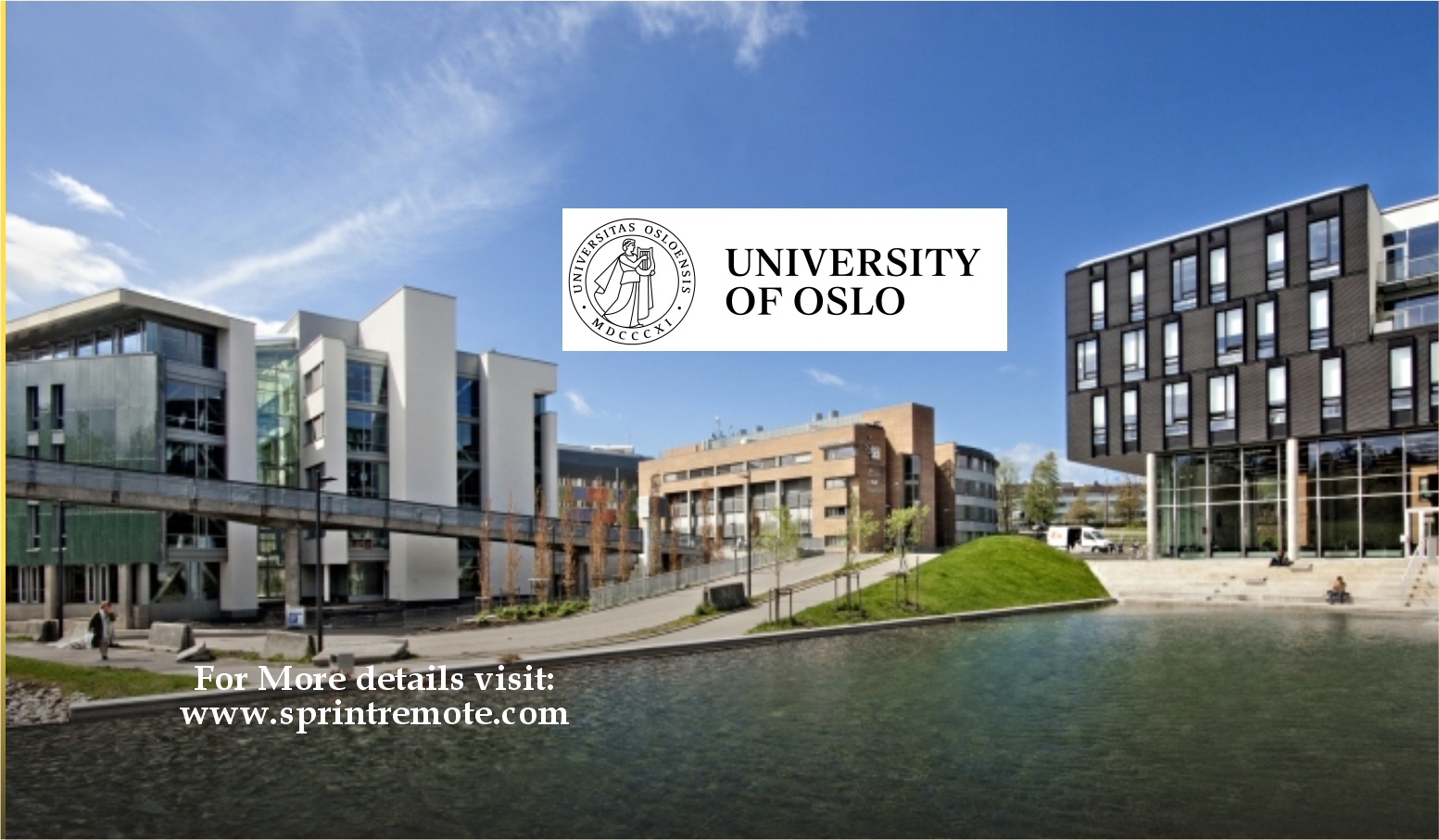
The University of Oslo International Scholarships 2026 are designed to bring students from around the world to study at the university. The University of Oslo is known for strong academic standards, research excellence, and a global learning environment. Through different scholarship opportunities linked to faculties and study programs, the university aims to reduce financial barriers and support talented international students.
These scholarships focus on academic merit and the potential of applicants to contribute meaningfully to their academic fields and wider society. Opportunities may vary by program, but the purpose remains consistent: to reward excellence and encourage diversity within the international student community.
For students searching for international scholarships in Norway in 2026, the University of Oslo represents an attractive option. You gain access to modern facilities, high-quality teaching, innovative research environments, and an inclusive academic culture. Studying in Norway also offers exposure to a safe society, a strong education system, and valuable international experience.
Eligibility for Application
Eligibility for the University of Oslo International Scholarships 2026 depends on both the admission requirements of the university and the specific scholarship schemes connected to different programs. In general, applicants should meet the following conditions:
- You must apply for admission to an eligible master’s, PhD, or postdoctoral program at the University of Oslo.
- You must meet the academic entry requirements for your chosen course.
- You must demonstrate strong academic performance from previous studies.
- You must meet English language proficiency requirements where required by the program.
- You must be considered an international applicant according to the university’s guidelines.
Some scholarships are offered at the faculty or departmental level, which means eligibility criteria can differ slightly depending on your course. It is important to review scholarship information connected to your chosen program before submitting your application.
Criteria for Application
The University of Oslo International Scholarships are merit-based, which means academic excellence is the primary factor in selection. Committees typically assess applications using the following criteria:
- Strong academic results and consistency in previous education.
- Quality of motivation and clarity of academic goals.
- Relevance of your academic background to the chosen program.
- Demonstrated commitment to learning and intellectual growth.
- Potential to contribute positively to your academic community and society.
Applicants who clearly explain their goals, demonstrate strong academic preparation, and show genuine passion for their field are more likely to be competitive.
Required Documents Checklists
A complete and well-organized application requires carefully prepared documents. While requirements can differ by program, most applicants will need:
- Completed application form for admission.
- Academic transcripts from all previous institutions.
- Degree certificates or proof of graduation.
- Curriculum vitae or resume.
- Motivation letter or personal statement.
- Letters of recommendation from academic or professional referees.
- Proof of English language proficiency if required.
- Copy of valid passport.
Ensure that all documents are clear, accurate, and professionally presented. Even a strong candidate can be rejected due to missing or incorrect documents.
Scholarship Application Formatting
Proper formatting makes your application easy to read and review. Follow these practical tips:
- Use simple professional fonts such as Arial or Times New Roman.
- Maintain consistent formatting across all documents.
- Avoid decorative styles, colors, or unnecessary graphics.
- Structure your CV with clear headings such as Education, Experience, Skills, and Achievements.
- Respect all word limits for motivation letters or essays.
- Upload documents in the requested format, usually PDF.
Good formatting shows attention to detail and professionalism.
Step-by-Step Application Process
Applying for the University of Oslo International Scholarships 2026 generally follows this process:
- First, research and choose your preferred master’s, PhD, or postdoctoral program at the University of Oslo.
- Submit your application for admission through the official application system.
- Carefully review the scholarship opportunities available for your chosen program.
- Prepare all required documents, including CV, motivation letter, and references.
- Follow any additional instructions provided by your department regarding scholarship consideration.
- Submit your full application and wait for feedback from the university.
Because scholarship procedures may vary by faculty, always read the instructions linked to your programme before submitting.
Application Deadline
There is no single universal deadline for the University of Oslo International Scholarships 2026. Deadlines usually depend on:
The program you are applying to.
The faculty is offering the scholarship.
The admission timeline for international students.
Applicants should check the admission deadlines for their chosen program and review scholarship details carefully. Starting early is the best strategy to avoid missing any opportunity.
Common Mistakes
Many applicants reduce their chances by making avoidable errors such as:
- Submitting incomplete applications.
- Missing program deadlines.
- Uploading incorrect or unclear documents.
- Writing generic motivation letters not tailored to Oslo.
- Ignoring specific instructions from the faculty or department.
Careful preparation and thorough review before submission can help you avoid these mistakes.
Tips for Winning Essays
Your motivation letter or personal statement is one of the most important parts of your application. To improve your chances:
- Clearly explain why you want to study at the University of Oslo.
- Describe your academic journey and interests in a structured way.
- Connect your past experiences to your future goals.
- Show how the program fits into your long-term career plans.
- Write in simple, honest, and clear language.
A strong essay shows focus, authenticity, and strong academic direction.
Tips for Strong Reference Letters
Recommendation letters strengthen your application by providing external validation of your abilities. To get strong references:
- Choose referees who know your academic or professional work well.
- Ask them early and give them enough time to write.
- Share your CV and study goals with them.
- Select referees who can provide specific examples of your strengths.
Good references confirm your credibility and reinforce your academic potential.
Scholarship-Friendly CV Resume
Your CV should clearly present your strengths and achievements. Include:
- Educational background with dates and institutions.
- Academic achievements, awards, or honors.
- Research projects, publications, or academic work.
- Relevant work experience or internships.
- Leadership roles, volunteering, or extracurricular activities.
- Skills such as languages, software tools, and certifications.
Keep your CV concise, structured, and relevant to your academic goals.
Post Application Phase: What to Do After Successful Submission
After submitting your application, stay proactive:
- Check your email regularly for updates or additional requests.
- Be ready to provide extra documents if requested.
- Continue developing your academic or professional profile.
- Learn more about your program and student life in Norway.
This is also a good time to prepare financially and emotionally in case you receive an offer.
Visa Route
If you receive admission and scholarship support, you will need to apply for a Norwegian student residence permit. This process typically involves:
- An official admission letter from the University of Oslo.
- Valid passport.
- Completed residence permit application form.
- Proof of financial support where required.
The university usually provides guidance to admitted students on how to complete the visa process correctly.
Work After Study Options
Graduates of the University of Oslo benefit from strong international recognition. After completing your studies, you may explore:
- Job opportunities in Norway where permitted by immigration rules.
- Further academic research or doctoral opportunities.
- International careers with global organizations.
- Returning to your home country with a highly respected qualification.
A degree from the University of Oslo strengthens your profile in both academic and professional fields.
Possible Job Opportunities
Depending on your field of study, graduates often move into careers such as:
- Academic researcher or lecturer.
- Data analyst or technology professional.
- Policy advisor or consultant.
- Environmental and sustainability specialist.
- Business analyst or project coordinator.
- Public sector professional or NGO worker.
The strong academic foundation from Oslo supports a wide range of career paths.
Conclusion
The University of Oslo International Scholarships 2026 provide an excellent opportunity for motivated students who want to study in Norway and benefit from world-class education. These scholarships reward academic excellence, dedication, and future potential. By preparing your documents carefully, writing a strong motivation letter, and following application instructions closely, you significantly improve your chances.
If studying at the University of Oslo is your goal, start early, stay organized, and take advantage of this opportunity to build a strong academic future.

